Business
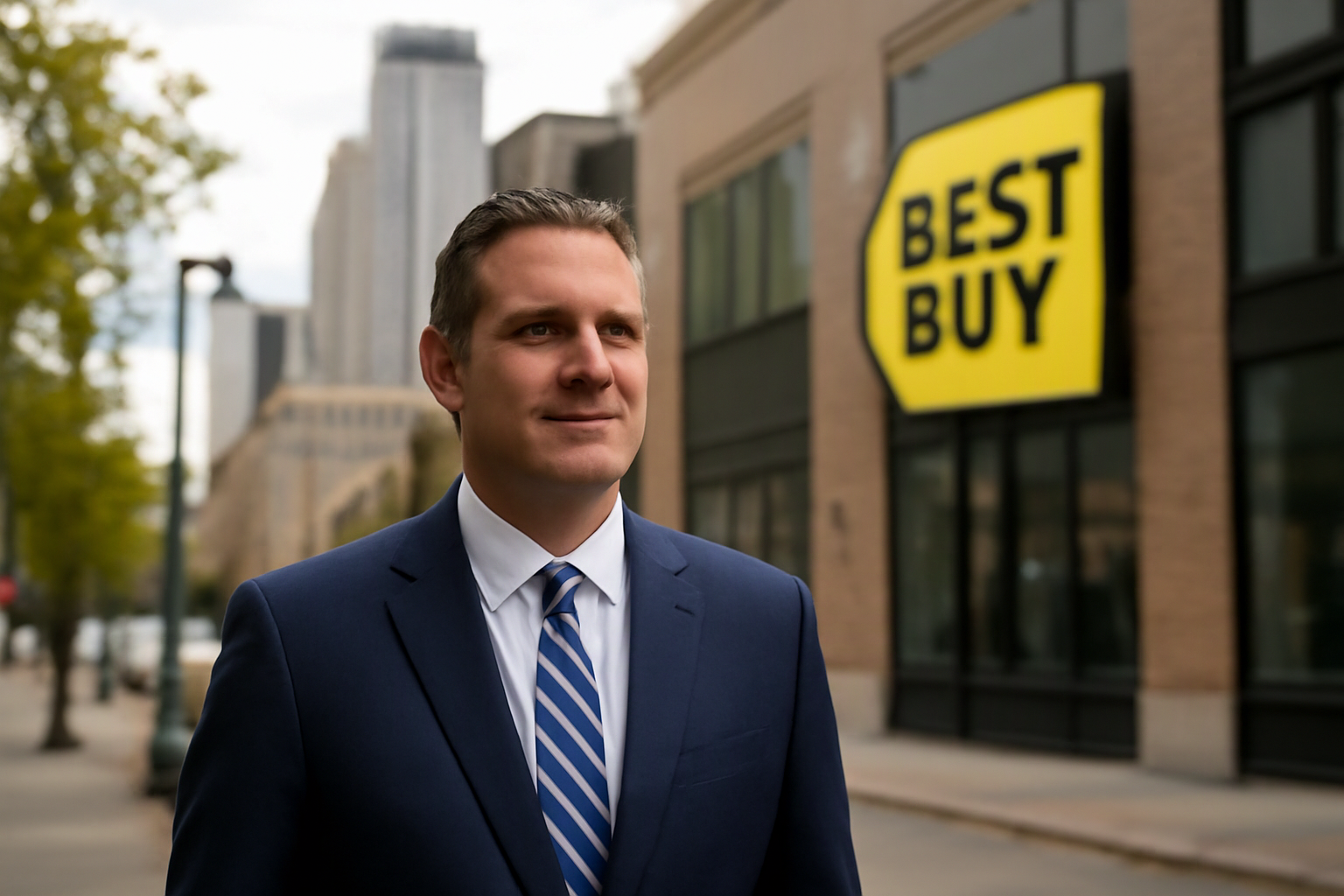
New Best Buy CEO takes over as retail shifts ‘faster than at any point in our history’
By Katherine Langford
Advertisement · Why this ad?
Katherine oversees editorial operations across all six brands. Before joining The Meridan Group, she spent 14 years at the Minneapolis Star Tribune, where she led the metro desk through its digital transformation. She holds a Master's in Journalism from Northwestern's Medill School.
More from Katherine →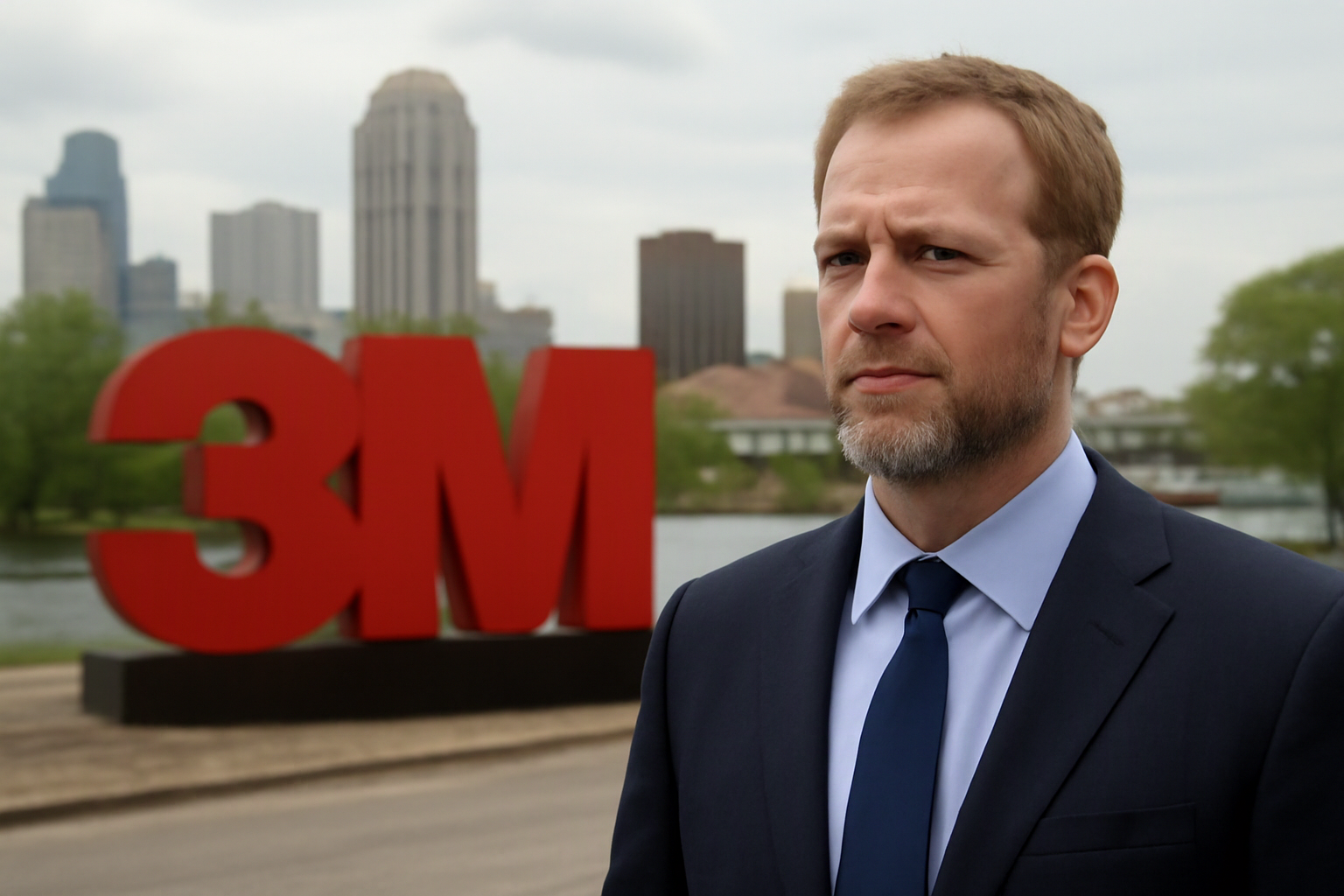
On a crisp autumn morning in Minneapolis, the sun filtered through the golden leaves, casting a warm glow on the faces of residents who gathered at a local park for a community event. Among them was Sarah Thompson, a mother of three, who shared her concerns about the safety of her family’s drinking water. Her worries are echoed by many across the state as the issue of PFAS—per- and polyfluoroalkyl substances—continues to dominate discussions on public health and environmental safety. Recently, 3M, the Minnesota-based manufacturing giant, announced a significant $7 billion settlement related to claims surrounding the health impacts of its firefighting foam products containing these so-called 'forever chemicals.'
3M's decision to settle comes amidst a growing body of evidence linking PFAS to serious health issues, including cancer and liver damage. The settlement, which does not include an admission of wrongdoing, is aimed at addressing personal injury claims associated with the use of firefighting foams that contain these chemicals. This announcement, made public in early October 2023, marks a pivotal moment in the ongoing legal battles faced by the company as it seeks to resolve thousands of lawsuits filed by individuals who allege that exposure to these substances has led to significant health complications.
The company has faced increasing scrutiny over its role in producing these harmful chemicals, which have been used in various applications, including firefighting foam, food packaging, and stain-resistant coatings. The $7 billion settlement is intended to cover legal costs and compensation for individuals who have suffered injuries attributed to PFAS exposure. This development not only highlights the legal challenges faced by 3M but also reflects a broader societal concern regarding chemical safety and environmental health.
PFAS, often referred to as 'forever chemicals' due to their resistance to degradation, have been a topic of intense debate among policymakers, health advocates, and environmentalists. The U.S. Environmental Protection Agency (EPA) has issued guidelines urging states to regulate these substances more strictly, emphasizing the need for clean drinking water. Minnesota has been at the forefront of this issue, with state officials taking proactive measures to monitor and manage PFAS levels in water supplies.
In 2021, Minnesota became the first state to set enforceable drinking water standards for certain PFAS compounds, reflecting a commitment to protecting public health. This legislative framework has paved the way for increased scrutiny of companies like 3M, prompting them to address their historical use of these chemicals. The recent settlement is a direct result of this heightened awareness and regulatory pressure, as communities demand accountability from corporations that have historically prioritized profit over public health.
The fallout from PFAS contamination is not merely a legal issue; it profoundly affects the lives of Minnesotans. For families like Sarah Thompson's, the implications are deeply personal. “We’ve always trusted that our water is safe,” she remarked, her voice tinged with concern. “Now, we’re left wondering if we’ve been putting our children at risk.”
Local health departments have reported rising cases of health issues linked to PFAS exposure, leading to increased anxiety among residents. The settlement may provide some financial relief, but it does little to alleviate the fears surrounding long-term health impacts. Many community members are advocating for stronger regulations and transparency from companies like 3M, emphasizing the need for ongoing monitoring of water quality and public health.
Organizations such as the Minnesota Department of Health are working diligently to educate the public about PFAS and their potential risks. They provide resources and support for families who may have been affected by exposure, aiming to empower communities with knowledge and tools to advocate for their health. The recent settlement, while significant, is just one step in a much larger journey toward ensuring safe drinking water for all.
In the wake of the settlement, local advocacy groups are mobilizing to ensure that the voices of affected residents are heard. Groups like the Minnesota Environmental Partnership and the Clean Water Action Council are organizing town hall meetings to discuss the implications of the settlement and to strategize on further actions. “This is a wake-up call for our community,” said Mary Johnson, a representative from the Minnesota Environmental Partnership. “We need to hold not just 3M accountable, but also demand that our local and state governments step up and protect our water supplies.”
These organizations are also pushing for more rigorous testing of water sources and for the state to adopt even stricter regulations on PFAS. They argue that while the settlement is a significant financial step, it does not address the root causes of contamination and the ongoing risks posed to public health. Many community members have expressed a desire for transparency in how 3M and other companies are managing their chemical waste and the steps being taken to mitigate future risks.
The $7 billion settlement is part of a broader trend in which corporations are increasingly held accountable for environmental and health-related damages. In recent years, numerous lawsuits have been filed against 3M and other companies for their roles in manufacturing and distributing PFAS-containing products. The legal landscape is evolving, with plaintiffs gaining momentum as awareness of PFAS-related health risks grows.
Legal experts suggest that this settlement may set a precedent for future cases involving PFAS and other hazardous materials. As more individuals come forward with claims, companies may face increased pressure to settle rather than endure lengthy and costly court battles. This shift reflects a growing recognition of the rights of individuals to seek justice for health impacts caused by corporate negligence.
As 3M moves forward from this settlement, the implications for the company and the communities affected by PFAS contamination remain to be seen. Local leaders, including Minnesota Governor Tim Walz, have expressed a commitment to addressing the broader issue of chemical safety, emphasizing the need for comprehensive policies that protect public health.
The Minnesota Chamber of Commerce has also weighed in, advocating for a balanced approach that considers both economic growth and environmental responsibility. “We support measures that ensure the safety of our communities while also fostering innovation and business development,” a spokesperson stated.
Looking ahead, community members and advocates continue to push for stronger regulations on PFAS and greater accountability from manufacturers. The recent settlement serves as a reminder of the ongoing struggle for environmental justice and the importance of collective action in addressing public health challenges. As families like Sarah Thompson’s seek answers and assurance, the path forward will require collaboration among government entities, businesses, and the communities they serve. The community's resilience and determination to advocate for their health and safety will be crucial in shaping the future of environmental policies in Minnesota.
By Katherine Langford

By Marcus Chen

By Marcus Chen

By Katherine Langford