
Technology
Minnesota Vikings HOTTEST TAKES after first loss of the season
By Katherine Langford
Advertisement · Why this ad?
Marcus manages the day-to-day editorial workflow across all brands, coordinating coverage assignments and ensuring editorial standards are met. He previously served as city editor at the Pioneer Press and holds a degree in Political Science from Carleton College.
More from Marcus →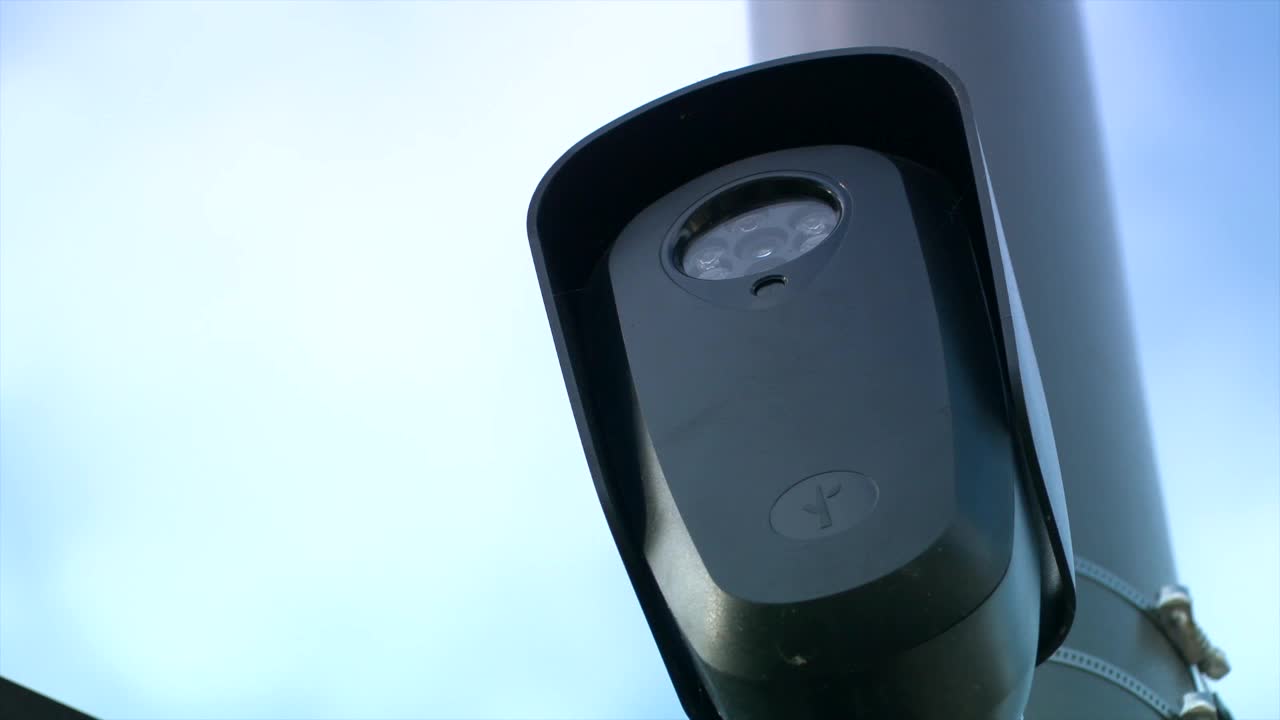
In a quiet neighborhood in Edina, Minnesota, a sense of unease hangs in the air. Residents once felt secure knowing the local police were monitoring traffic with Flock license plate reader cameras. Now, however, the locations of those cameras have been concealed, sparking a heated debate over transparency and public trust. As police departments across the state cite security concerns for withholding camera locations, community members are left questioning the balance between safety and privacy.
A recent investigation revealed that 61 Flock cameras across Minnesota no longer disclose their locations to the public. State law mandates that police agencies report these locations to the Minnesota Bureau of Criminal Apprehension (BCA), but a loophole allows them to withhold information if they believe disclosure could pose a security risk. This has led to a troubling trend, where cities like Edina and Crow Wing County have opted to remove location data from public view.
Edina, which previously listed the locations of all 34 of its Flock cameras, made the decision to withhold information in August after reports of vandalism. “They’re $3,000 a piece,” said Sheriff Eric Klang of Crow Wing County, emphasizing the financial burden on taxpayers when cameras are damaged. The decision to hide the locations has drawn criticism, particularly from transparency advocates who argue that it undermines public trust.
“I think that is a generous loophole that is being exploited by law enforcement to hide the locations of these cameras,” said Anna Madision, a member of the grassroots organization Eyes Off St. Paul. The group formed in response to increased surveillance following Operation Metro Surge, a controversial police initiative.
As the debate over Flock cameras intensifies, community members have voiced their concerns at city council meetings across Minnesota. Many express unease about the implications of hidden surveillance, raising alarms about privacy and government overreach. “It’s a serious breach in the trust that people put into law enforcement,” Madision noted, highlighting the lack of public consent regarding data collection.
State Rep. Brad Tabke has also raised concerns about the misuse of license plate data. He recounted a personal experience where federal agents surveilled him while he acted as a constitutional observer, leading to distress for his family. “The public deserves to know and understand when these are being used and how they’re being used,” Tabke stated, advocating for greater oversight of the technology.
Supporters of Flock cameras, including many law enforcement officials, argue that the technology is crucial for solving crimes. In Shakopee, police credited a Flock camera with identifying a murder suspect, while Sheriff Klang noted that a camera in Crow Wing County helped identify a suspect in a drive-by shooting. “We’re not sitting around looking at these cameras and trying to see that you went to the store,” Klang explained. “We’re investigating crime.”
The tension between security and transparency has become a focal point of the discussion surrounding Flock cameras. While law enforcement agencies cite vandalism and potential risks to justify withholding camera locations, critics argue that the rationale lacks sufficient evidence. Matt Ehling, of Minnesotans for Open Government, emphasized that agencies must provide more than theoretical concerns to justify such actions.
Ehling's organization played a role in drafting Minnesota's automatic license plate reader law, including the security-information exception currently being used by some departments. “It’s the real pivot point,” he said, stressing the need for clear indicators that justify withholding information.
The growing public outcry has prompted some agencies to reconsider their stance. After inquiries from investigative reporters, the University of Minnesota reversed its decision to hide camera locations, asserting its commitment to transparency. “We are committed to transparency and open communication regarding the tools and technology used to support public safety,” said university spokesperson Briana Reenshuler.
The issue of Flock cameras and their implications for privacy and public safety is expected to be a hot topic in the upcoming legislative session. Lawmakers discussed potential reforms during the last session but ultimately did not pass any changes. Advocacy groups and concerned citizens are gearing up for another round of discussions, emphasizing the need for a balance between effective policing and protecting citizens' rights.
As the debate unfolds, it is clear that the community is increasingly aware of the implications of surveillance technology. The push for transparency is not just about knowing where cameras are located; it is about ensuring that the public has a say in how their data is collected and utilized.
With the potential for new legislation on the horizon, residents are hopeful that their voices will be heard. The conversation surrounding Flock cameras has ignited a broader dialogue about privacy in the digital age, and many are advocating for a system that respects both public safety and individual rights.
The hidden locations of Flock cameras have far-reaching implications for the community. Residents are left feeling vulnerable and questioning the motives behind the technology. Trust in law enforcement is crucial for effective community policing, and when transparency is lacking, that trust erodes.
Many community members have expressed concern that the use of Flock cameras could lead to a slippery slope of increased surveillance. The fear is not just about the cameras themselves, but about the broader implications for privacy rights. As technology continues to advance, the need for clear guidelines and regulations becomes more pressing.
Local organizations and advocacy groups are stepping up to educate residents about their rights and the importance of transparency in policing. Initiatives aimed at raising awareness about surveillance technology and its implications are gaining traction. Community meetings and forums are being organized to discuss the impact of Flock cameras and to encourage residents to voice their concerns.
For those interested in learning more about the implications of Flock cameras and how to engage in the conversation, several resources are available. Organizations like Eyes Off St. Paul and Minnesotans for Open Government provide information on surveillance technology and advocate for transparency in law enforcement.
Residents can also reach out to their local representatives to express their concerns and advocate for reforms that prioritize both public safety and individual rights. Engaging in community discussions and attending city council meetings can help amplify voices calling for accountability in policing.
As the dialogue continues, it is important for residents to stay informed and involved. The future of surveillance technology in Minnesota will depend on the collective efforts of the community to demand transparency and accountability from law enforcement agencies.
Looking ahead, the fate of Flock cameras and their locations remains uncertain. As public outcry grows and legislative discussions loom, it is clear that the balance between security and transparency will be a central theme. Advocates for privacy rights are hopeful that the next legislative session will bring about meaningful reforms that prioritize accountability.
Lawmakers will need to grapple with the complex issues surrounding surveillance technology, weighing the benefits of crime-solving tools against the potential for abuse and erosion of civil liberties. The conversation is not just about Flock cameras; it is about the broader implications of surveillance in modern society.
As Minnesota navigates this critical juncture, residents are encouraged to remain engaged in the process. The future of surveillance technology will ultimately depend on the willingness of the community to advocate for their rights and hold law enforcement accountable. The outcome of this debate will shape the relationship between citizens and law enforcement for years to come.
By Katherine Langford

By Katherine Langford

By Marcus Chen

By Marcus Chen